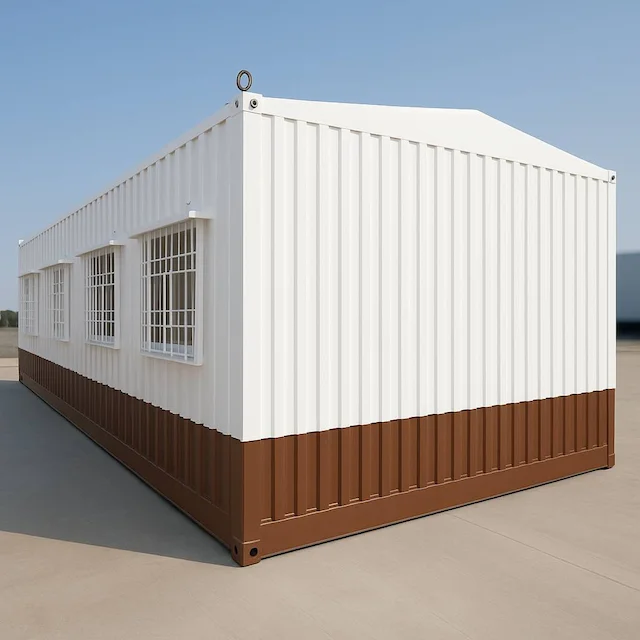
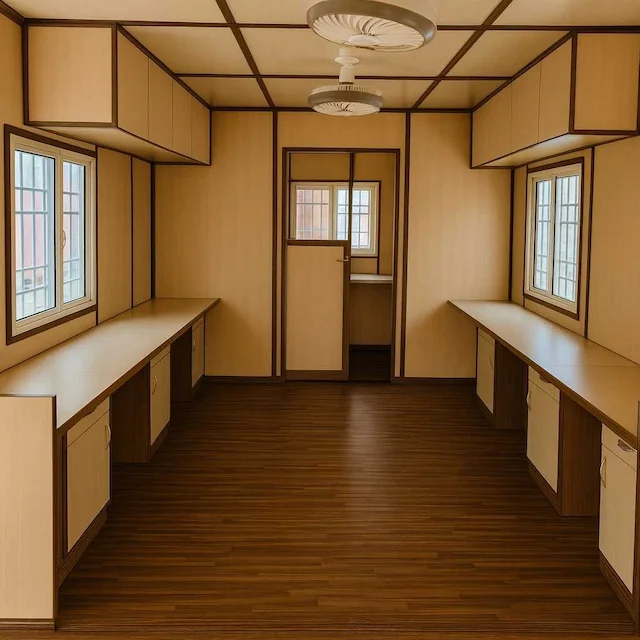
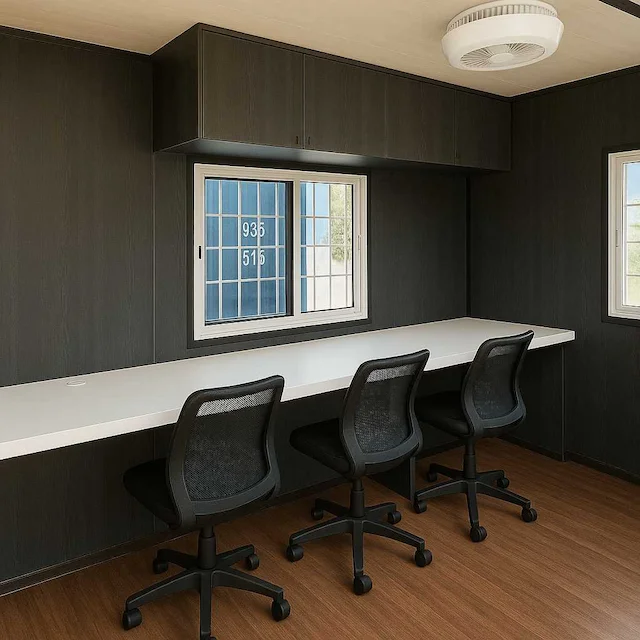
Product Overview
Detailed information about Prefabricated Porta Cabin
Prefabricated Porta Cabin — Factory-Controlled Quality, Site-Ready
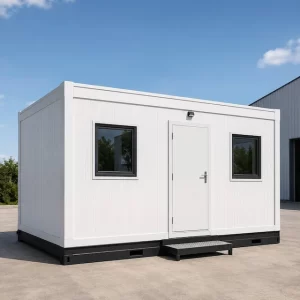
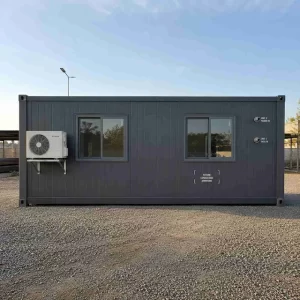
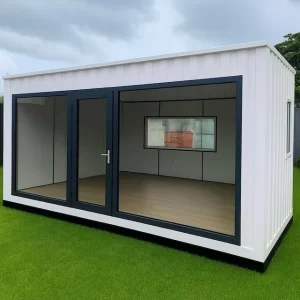
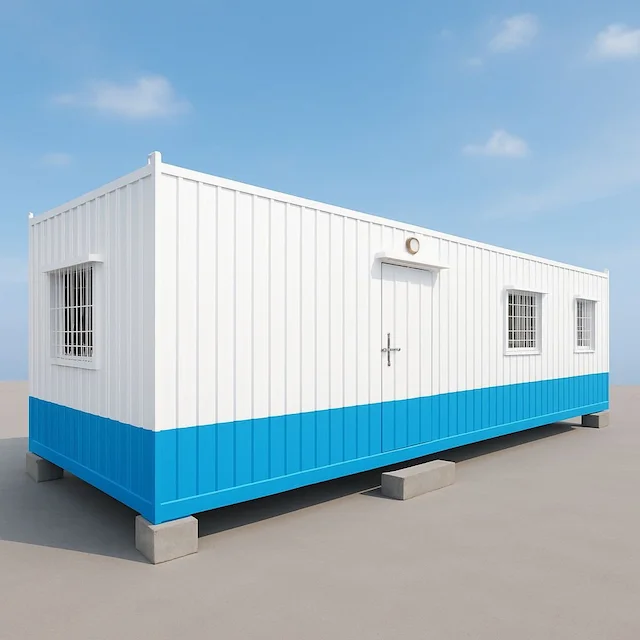
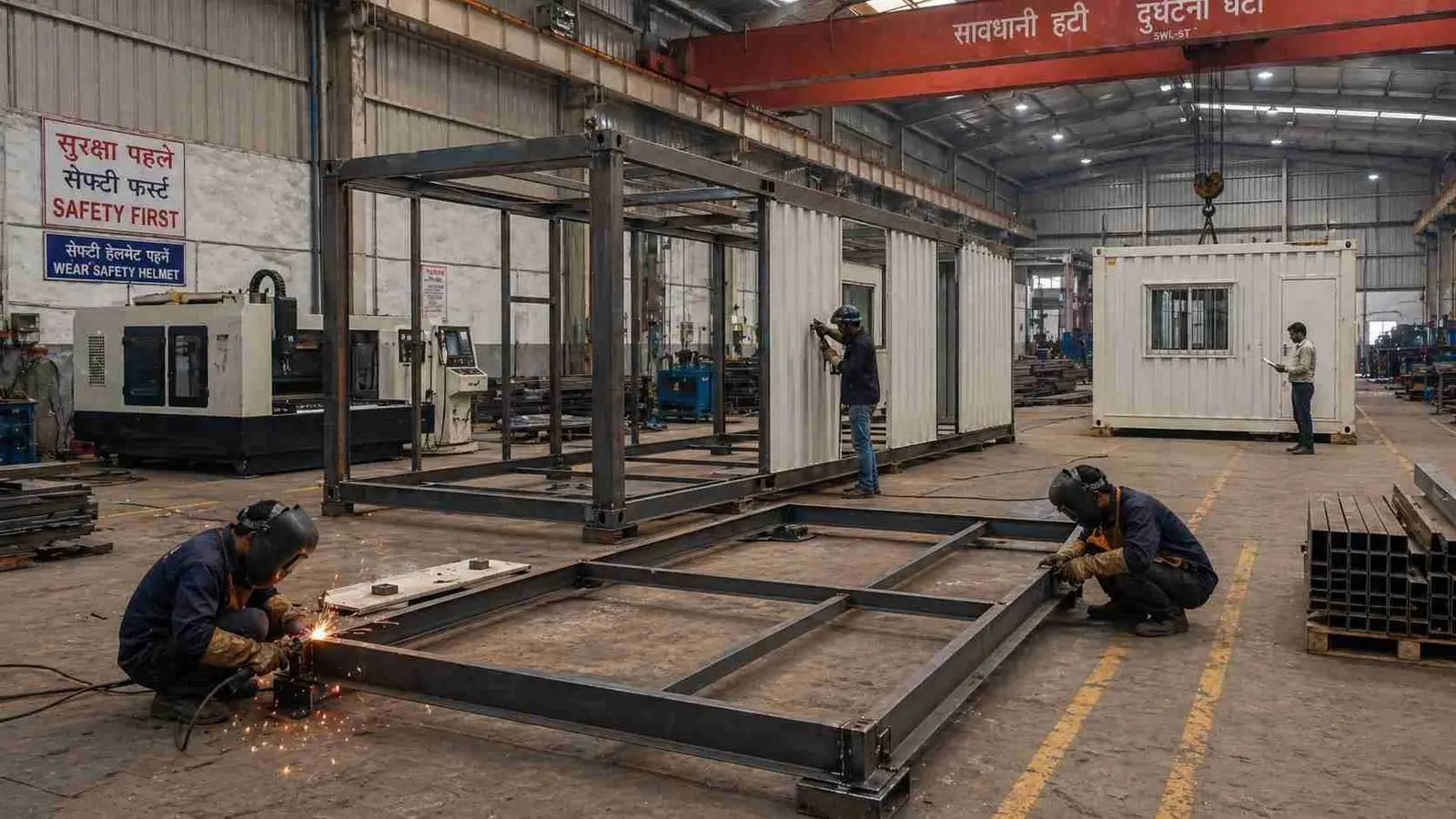
A prefabricated porta cabin from us is not just a cabin that was built before it arrived — it is a cabin that was built to a controlled factory process, with documented quality at every production stage before it left our premises.
Our Factory vs Local Fabricator — The Quality Gap
Most porta cabin buyers in India receive competing quotes from a branded factory supplier and a local fabricator or welder. The price difference is real. So is the quality difference — and that difference is what the word “prefabricated” actually guarantees.
A local fabricator assembles a cabin from steel sourced that week at the current market price — whatever grade is available. There is no incoming quality check on the steel. The welding is done on-site, exposed to dust and monsoon humidity, by whoever is on the job that day. The surface treatment is applied by brush or roller in open-air conditions. No inspection report is raised. Nothing is documented.
A prefabricated porta cabin uses IS 2062 certified mild steel on every order — the same specification, the same source, every time. Welding happens inside a factory bay with consistent temperature and contamination control. Surface treatment is applied in a controlled environment before the cabin is ever exposed to site conditions. An inspection report is raised before dispatch.
The premium over a local fabricator reflects this process — not a brand markup.
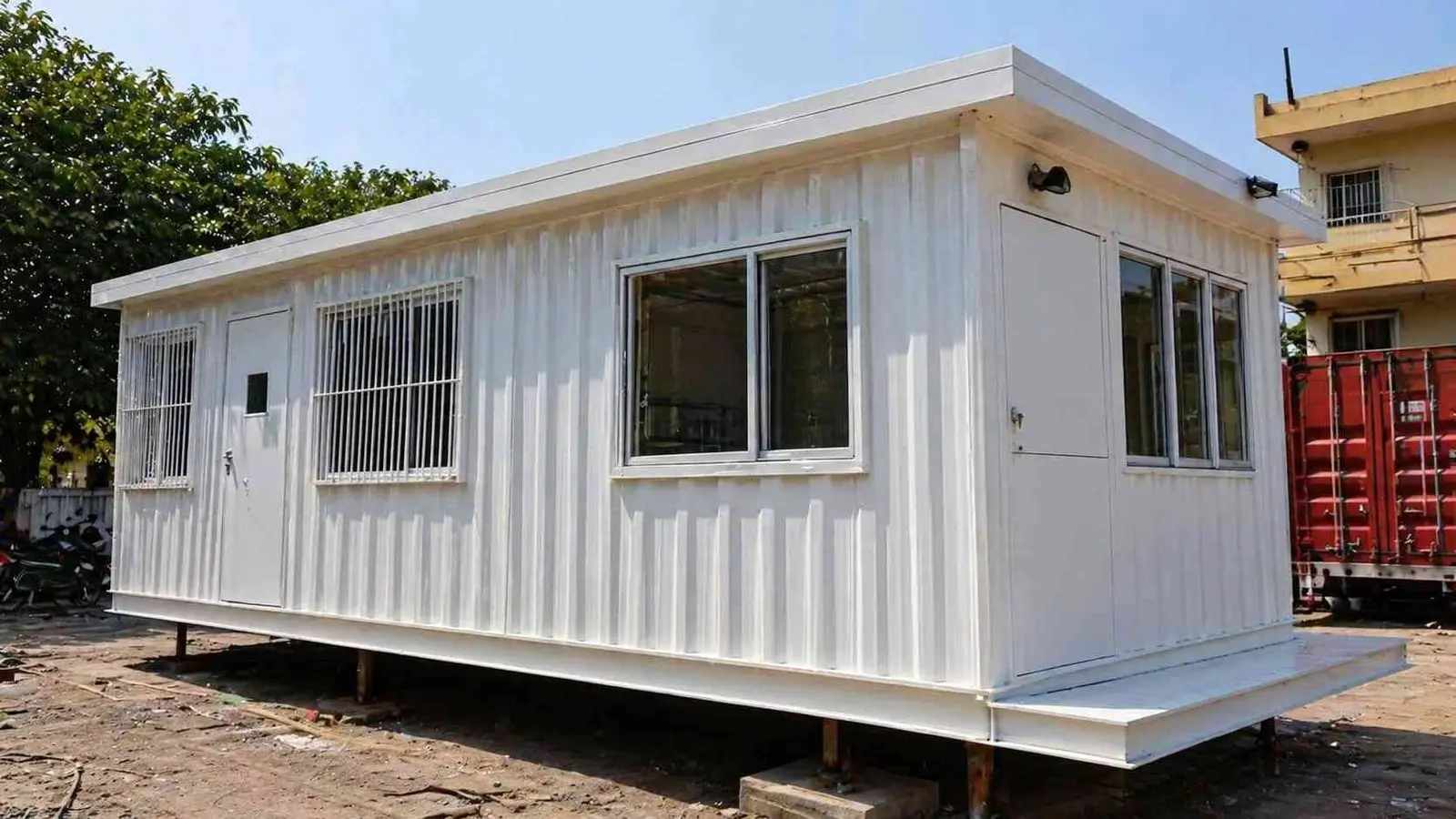
Five Stages in the Factory Before Your Cabin Reaches Your Site
Every prefabricated porta cabin passes through five production stages before dispatch from our facility.
Stage 1 — Steel input verification: Incoming IS 2062 structural sections and sheet coils are checked against the material certification before entering production. Off-grade material is rejected at input, not discovered during installation.
Stage 2 — CNC cutting and frame fabrication: Structural members are cut to programme dimensions using CNC machinery — not measured and cut by hand. Every cabin in a multi-unit order has the same frame dimensions to within ±2mm.
Stage 3 — Welding and panel assembly: Frame welding and panel attachment are carried out inside the factory bay. Visual inspection is done at every structural joint before panels are closed over the frame.
Stage 4 — Surface treatment: All fabricated steel surfaces are blast-cleaned and coated in a factory environment before the cabin is moved outside. The coating is applied in controlled conditions — not on an open construction site after delivery.
Stage 5 — Pre-dispatch inspection: A final check confirms external dimensions, door and window operation, panel alignment, and electrical fit-out if included. An inspection report is raised and retained in production records.
Multi-Unit Consistency — Why Unit 1 and Unit 50 Are Identical
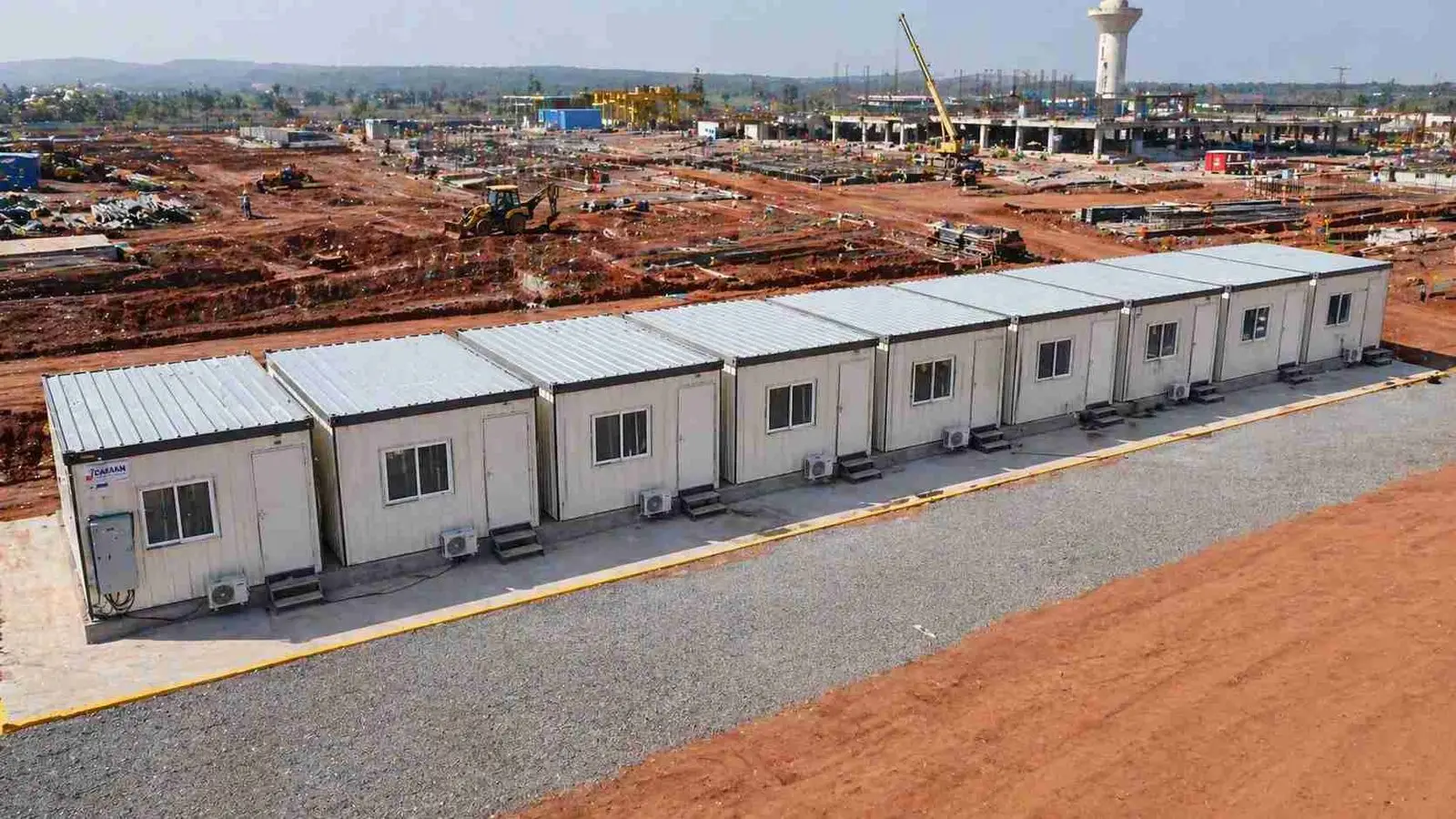
A project that requires 20 or 50 porta cabins has one quality requirement above all others: every unit performs identically. A project manager who accepts delivery of 50 cabins cannot afford to have the 47th unit arrive with a door that does not close cleanly, a panel cut 15mm short, or a surface treatment applied in the rain on the last delivery day.
Factory prefabrication eliminates this variable entirely. All structural members for a multi-unit order are cut from the same CNC programme in the same production run. All panels are cut from the same sheet run. All units go through the same five-stage process. Unit 1 and unit 50 are not similar — they are identical.
Relocatability — What Prefabricated Means at Project End
A SAMAN prefabricated porta cabin is a bolt-together structure — designed as a factory-assembled kit of components that can be unbolted, separated, and reassembled at a new location without structural damage.
A locally welded cabin cannot be cleanly separated at its joints without cutting — which damages the frame and typically makes the components unusable at the next site.
Three to four redeployments over a 20 to 25 year structural life means the total per-project cost of a prefabricated cabin is significantly lower than the initial purchase price suggests. A cabin purchased for Rs 1,10,000 and deployed on three successive projects at Rs 37,000 per project is economically comparable to three rentals — without the rental cost, with an asset at the end.
This lifecycle argument applies only to factory-prefabricated cabins. A site-assembled cabin that has been cut and welded to fit its first location is effectively a one-project asset.
Frequently Asked Questions
Is every porta cabin prefabricated at the factory or can I order one assembled on site?
Every porta cabin is factory-prefabricated at our Bangalore or Greater Noida facility — we do not offer site assembly as an option. The entire value of our product is the factory-controlled quality process. A cabin assembled on your site by a local contractor using materials would not carry quality certification, inspection documentation, or warranty coverage.
How do I verify that the porta cabin delivered to my site is genuinely factory-prefabricated?
Three verification points are available on every cabin. The pre-dispatch inspection report with the facility name, date, and inspector sign-off confirms factory origin. The IS 2062 material certificate — available on request — confirms the steel used by heat number. The structural base frame carries a factory identification mark confirming fabrication. If any of these three are missing on delivery, contact our Bangalore or Greater Noida facility before signing the delivery acknowledgement.
Can a prefabricated porta cabin be modified on site — walls removed or rooms added — without losing its prefabricated integrity?
Yes, with one condition. Modifications that involve cutting into structural frame members — removing a wall, adding an opening, extending the frame — should be confirmed with before being carried out. We provide a structural modification guide for cabins that need on-site changes, confirming which cuts and additions are safe and which require a reinforcement weld. Non-structural modifications — adding internal shelving, painting, fitting partition panels — can be done without consultation and do not affect the structural warranty.