Product Overview
Detailed information about Portable Toilet
Portable Toilet — 50+ Users Per Day, 1-Day Installation
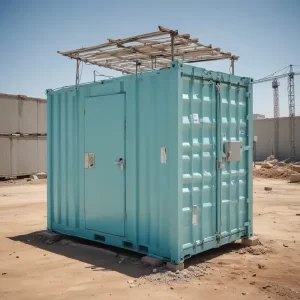
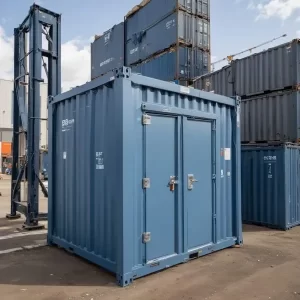
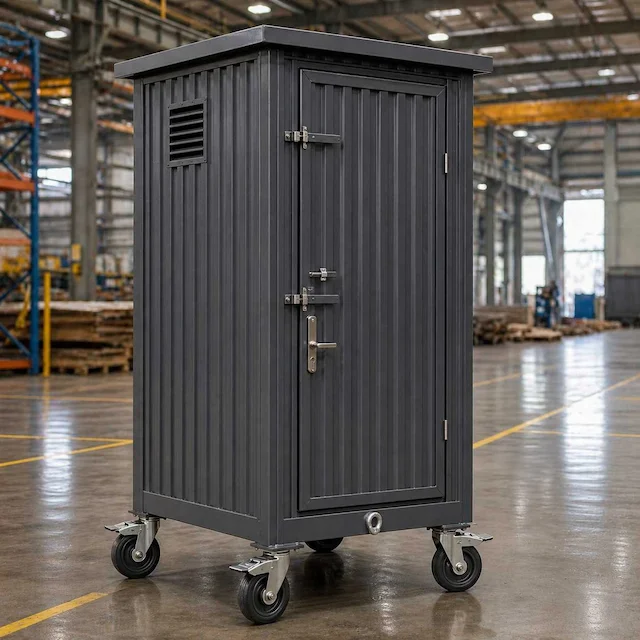
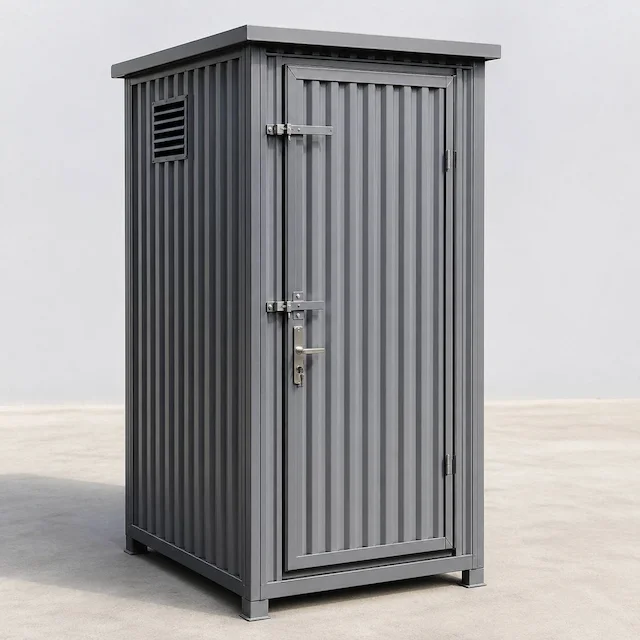
A portable toilet from us is a standalone sanitation unit — not a cabin that happens to include a toilet. It is manufactured, quality-checked, and delivered as a complete sanitation product for construction sites and outdoor events across India from our facilities
Before placing any order, there is one calculation to complete. How many units you need determines everything else.
How Many Units Do You Need — The Calculation
The number of portable toilet units required is not a guess — it is a ratio based on your user count and your applicable standard.
For construction sites: The Building and Other Construction Workers Act and the Inter-State Migrant Workmen Act both specify a minimum of 1 toilet per 25 workers. A site with 100 workers requires a minimum of 4 units. A site with 200 workers requires 8 units.
For outdoor events: The general standard for a 4-hour outdoor event is 1 unit per 50 to 75 attendees. For an event running more than 6 hours, increase to 1 unit per 40 attendees to account for higher average usage per person. A 500-person half-day wedding or festival requires 7 to 10 units minimum.
For remote project sites and long-duration camps: Use the construction site ratio of 1 per 25 workers. Add 1 additional unit if the site is more than 2 km from the nearest permanent sanitation facility.
For buyers who need units that can relocate as a project advances along a highway or pipeline corridor, our movable toilet cabin subpage covers that configuration. For buyers ordering a standard fixed-position unit, our portable toilet cabin subpage covers the core product in detail.
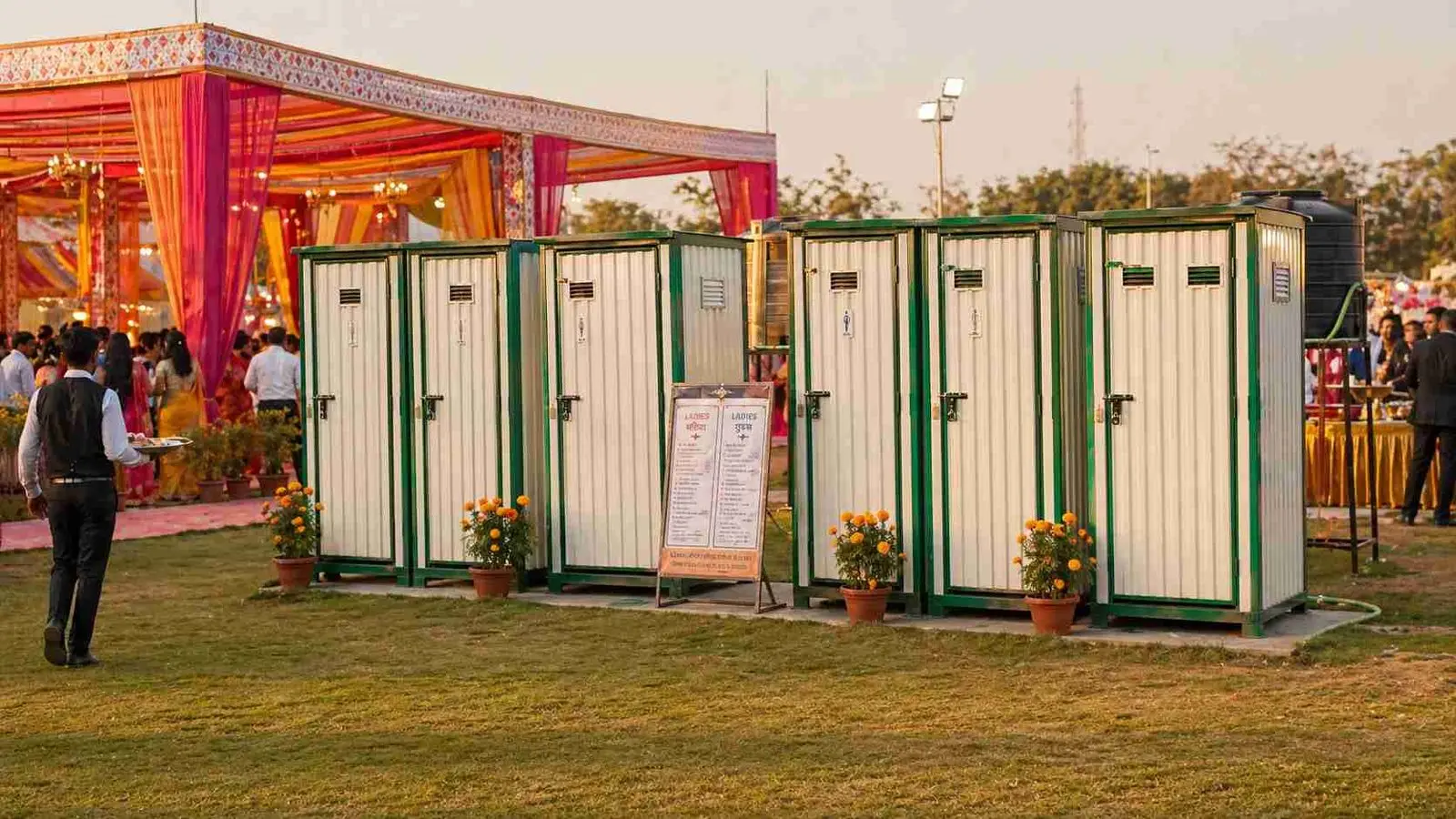
Mains-connected: The unit connects to your existing site water line using a standard ½-inch inlet fitting. Water drains to your site sewerage point or a connected septic arrangement. Recommended for permanent construction sites with a water main and established drainage. No manual refilling required.
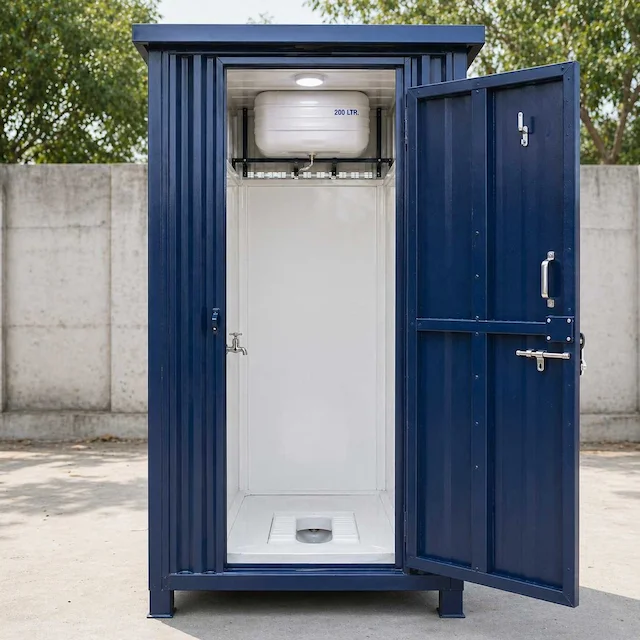
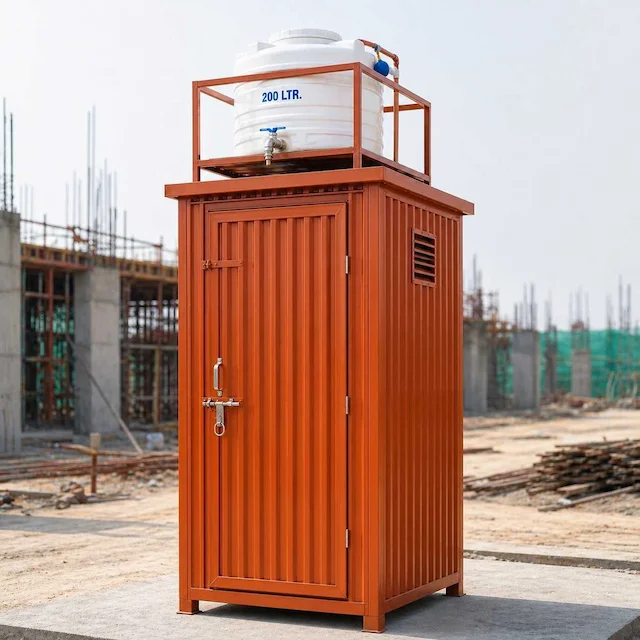
Self-contained overhead tank (200 litres): The unit includes an overhead water tank filled manually by your site team. Sufficient for approximately 30 to 40 uses before refilling. Recommended for remote construction sites, event venues without a water connection, and temporary deployments lasting less than 30 days.
Bio-digester — no water connection required: Waste is treated by a biological digester unit. No external water supply. No sewerage connection. Recommended for remote highway, tunnel, or pipeline project sites without any utility infrastructure.
For buyers requiring a factory-fitted unit with a full water provision built in and tested before dispatch, our prefabricated toilet subpage covers that configuration.
Outdoor events: For a high-footfall event with 200 or more attendees, units should be serviced every 4 hours during the event. For events with alcohol being served, increase cleaning frequency — waste generation is typically 30 to 40% higher.
Remote and low-use sites: For camps or remote project sites with fewer than 10 daily users per unit, weekly cleaning is typically sufficient. Mains-connected units require only toilet cleaning — no tank refilling.
Failure to plan cleaning frequency before deployment is the most common cause of sanitation complaints on construction sites and at events. Plan the cleaning rota before the units arrive.
For buyers whose site or event requires a unit that can be easily repositioned for cleaning access, our mobile toilet cabin covers crane-movable and wheel-mounted formats.
Delivery — Site Setup in 1 Day
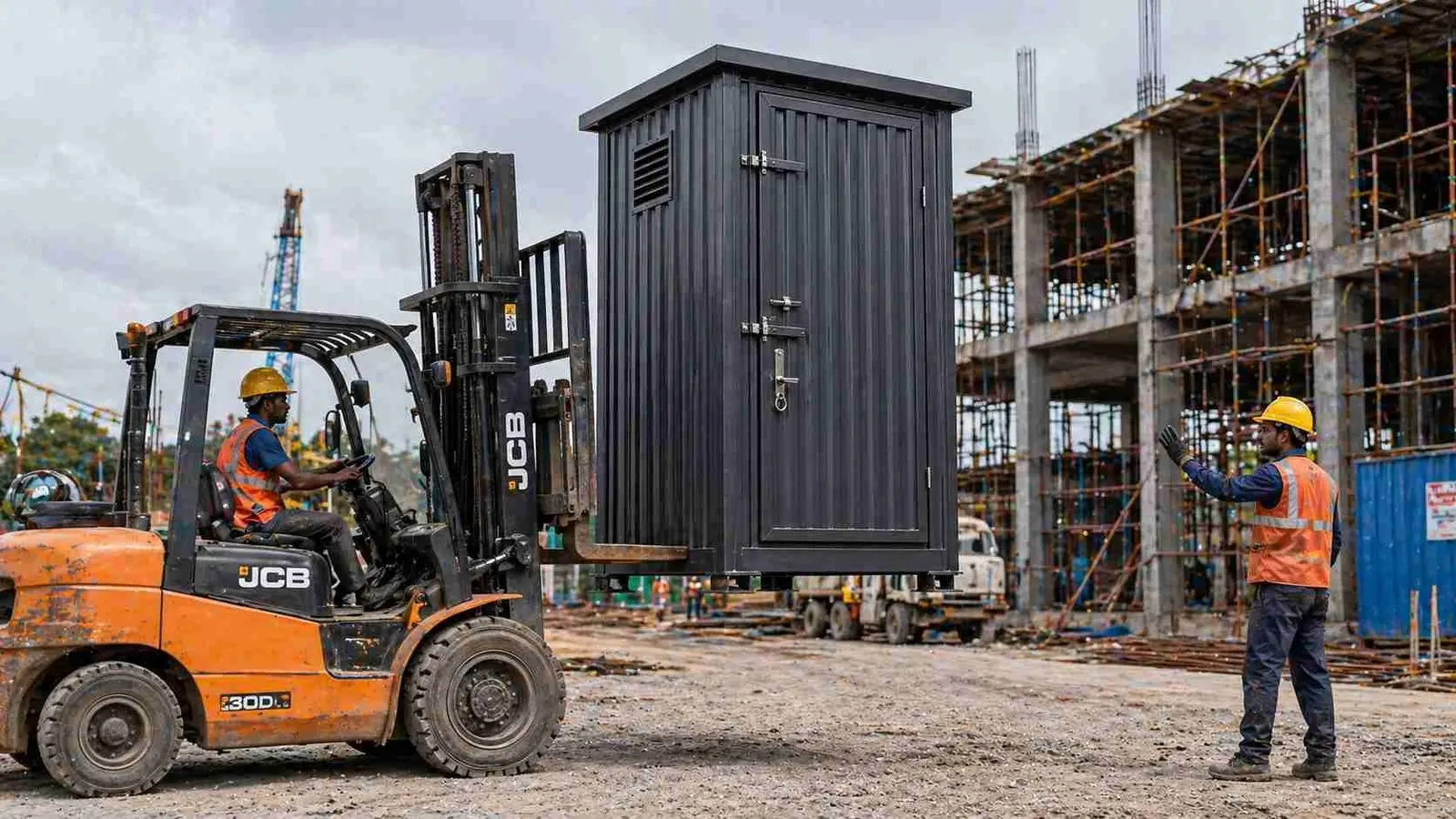
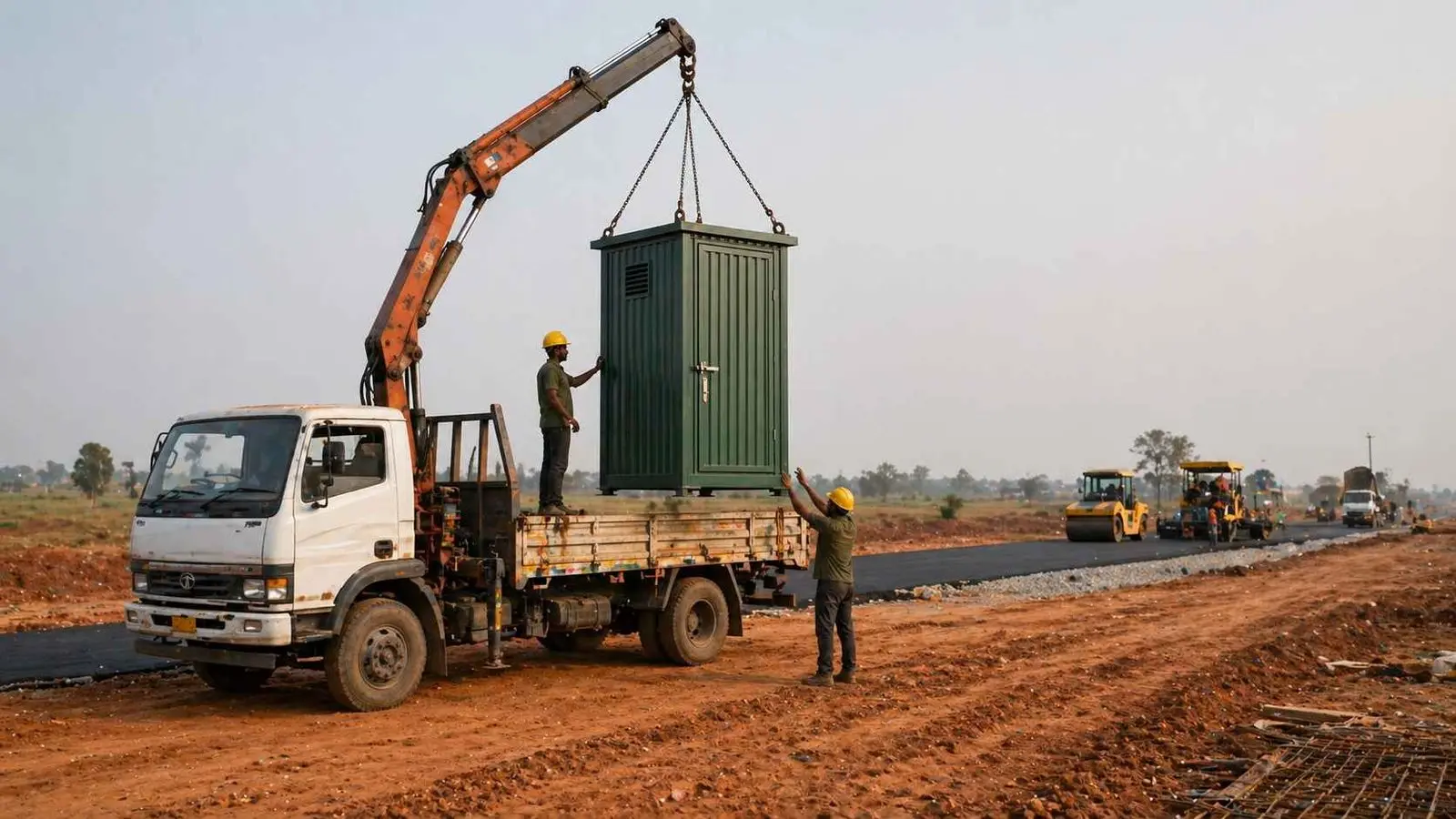
A standard portable toilet unit from us is off-loaded, positioned, levelled, and connected in under 4 hours at an accessible flat site by a 2-person crew. For orders of 5 or more units arranged in a row, a full site installation is complete within 1 working day.
Delivery from our Bangalore and Greater Noida facilities covers sites across India within 7 to 21 working days of order confirmation. For sites within 200 km of either facility, delivery and installation typically complete on the same day.
Frequently Asked Questions
Are Indian-style and Western-style seat options available in our portable toilets?
Yes. Both Indian squat pan and Western seat configurations are available across all our portable toilet units. Indian style is standard on construction site units. Western style is standard on event and VIP units and available on request for any configuration. Specify your preference at the order stage — no price difference between the two.
Can multiple portable toilet units be arranged back-to-back as a toilet block?
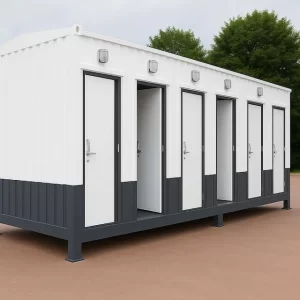
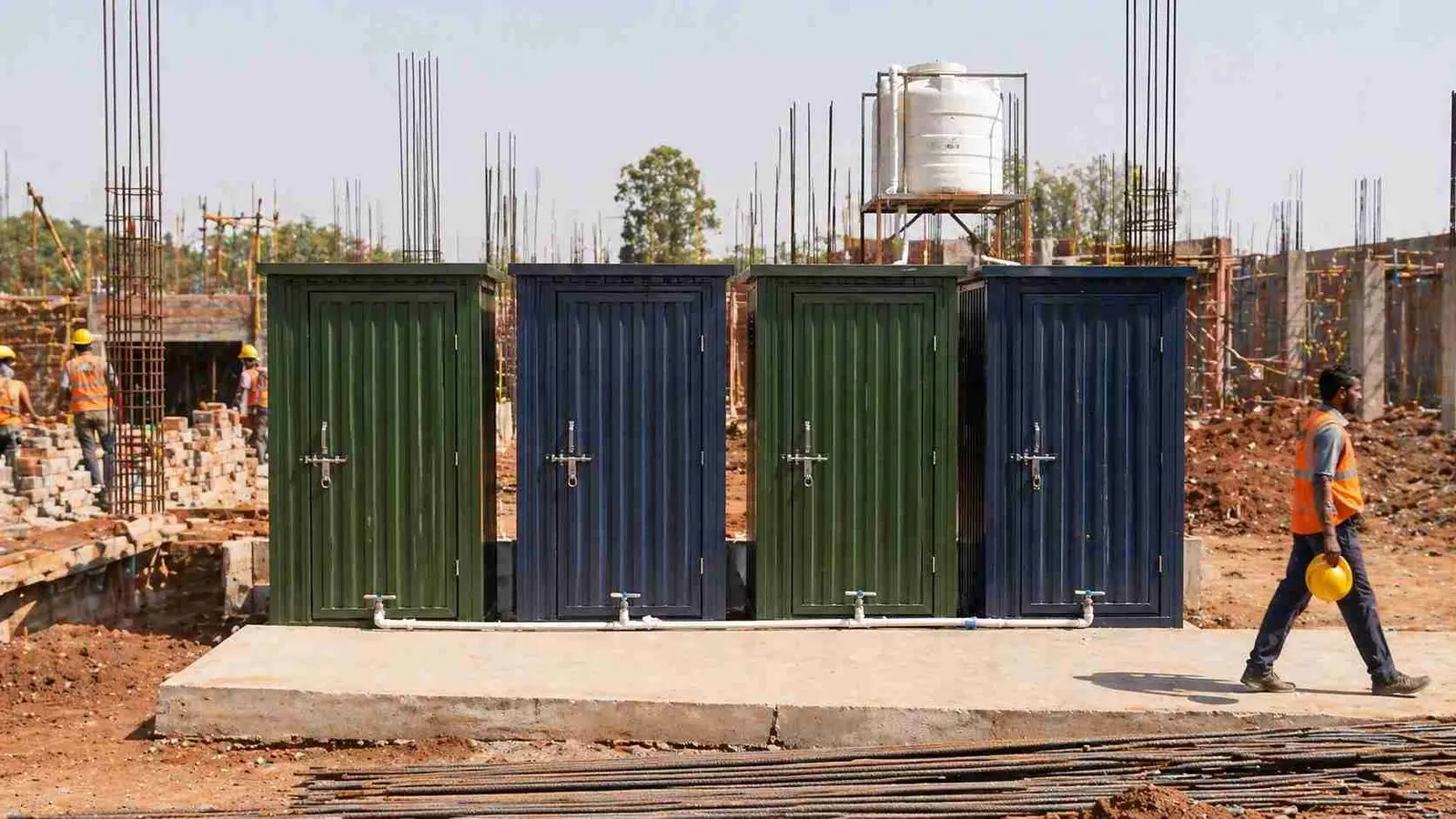
Yes. Units are installed side by side in rows of 2, 4, 6, or more to create a toilet block. Back-to-back male-female blocks with separate entry directions are the most common event configuration. For construction sites, a row of 4 to 8 units with a shared approach path is standard. Block layout is confirmed at order stage with a placement drawing.
What happens to the waste when there is no sewage connection on site?
Two options are available for sites without sewage connection. A self-contained overhead tank unit accumulates waste in a holding arrangement requiring periodic suction pumping — typically every 5 to 7 days for a unit serving 25 workers. A bio-digester unit treats waste biologically — no pumping required, no sewage connection, no odour if used as specified. Bio-digester units are recommended for remote highway, tunnel, and dam project sites.
What is the minimum order quantity for a construction site?
Our processes orders from a minimum of 1 unit. For sites requiring more than 10 units, a site survey and layout drawing service is included at no additional cost — we confirm unit placement, water connection positions, and maintenance access routes before dispatch.
Do portable toilets require any local authority permission to deploy in India?
For construction sites on approved project land, no separate permit is required — the toilet is a temporary site facility under your existing project approvals. For outdoor events on public land, municipal permission for the event itself typically covers temporary sanitation facilities if declared in the event application. On private land, no separate sanitation permit is required.